


Choosing a Home Birth: Who Is Considered Low Risk in Pregnancy?
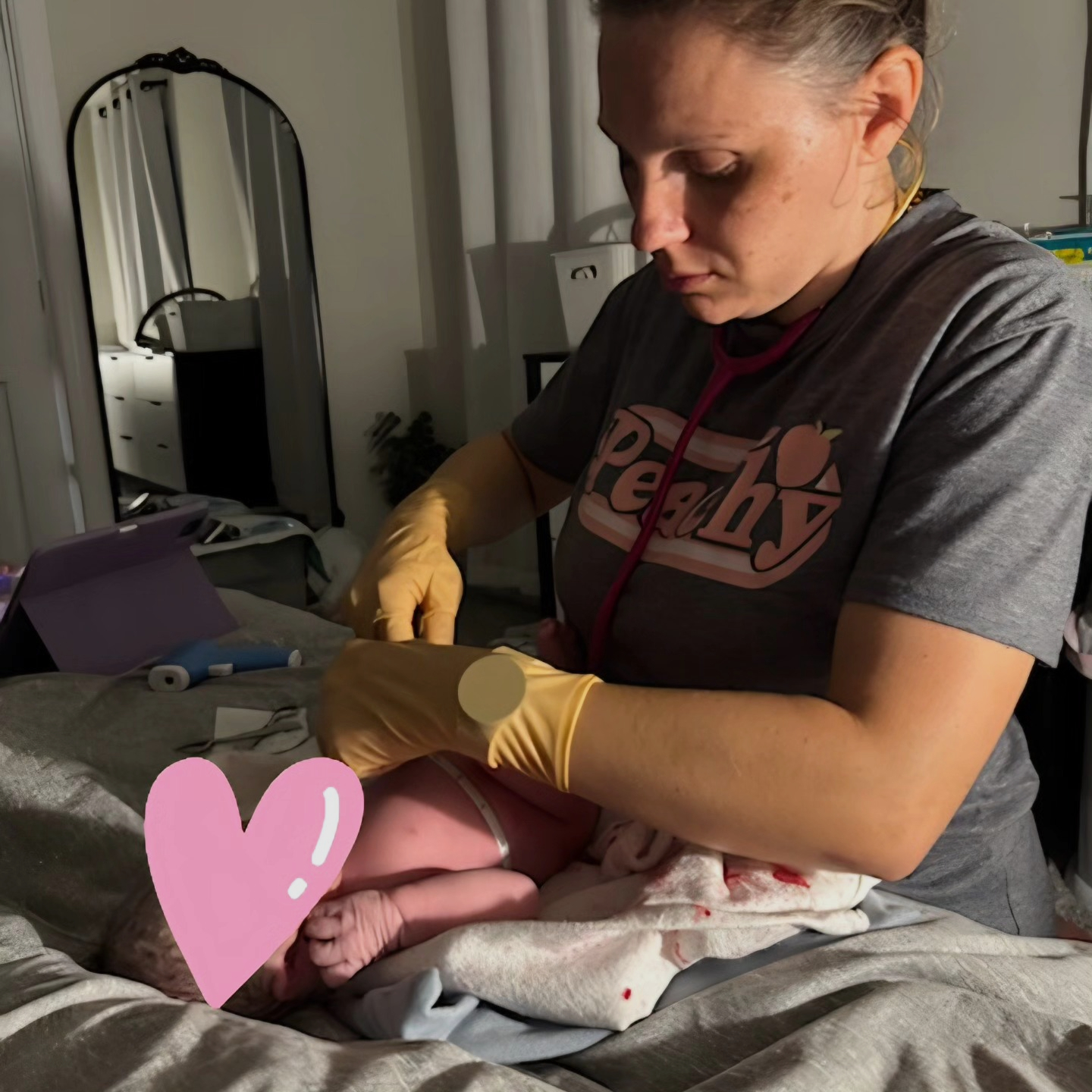
Choosing where to give birth is one of the most important decisions you’ll make during pregnancy. For many families, home birth offers a calm, personal, and empowering alternative to hospital birth. While home birth can be a safe and beautiful option, it’s important to understand who is considered low risk in pregnancy and how that plays a role in planning a home birth.
Let’s explore what home birth is, why families choose it, and what factors typically define a low-risk pregnancy.
Why Families Choose Home Birth
Families who choose home birth often share similar values and goals for their birth experience. Common reasons include:
A desire for a calm, familiar environment
Fewer routine medical interventions
Continuity of care with a licensed midwife
Freedom to move, eat, drink, and labor naturally
Personalized, relationship-based prenatal care
Increased sense of autonomy and informed decision-making
Home birth care is centered on physiologic birth and individualized support, while still prioritizing safety and preparedness.
What Does “Low Risk” Mean in Pregnancy?
A low-risk pregnancy means there are no known medical conditions or complications that significantly increase the likelihood of needing medical or surgical intervention during labor or birth.
Risk is not a label—it’s something that is continuously assessed throughout pregnancy. Many people begin pregnancy as low risk and remain so, while others may develop conditions that make a hospital birth the safer option.
Licensed midwives are trained to screen, monitor, and reassess risk at every stage of care.
Common Factors of a Low-Risk Pregnancy
While guidelines may vary slightly by state and provider, a pregnancy is often considered low risk when the following are present:
Maternal Health
No chronic medical conditions such as uncontrolled diabetes, hypertension, or heart disease
Healthy body systems without major complications
No history of significant pregnancy-related emergencies
Pregnancy Factors
Singleton pregnancy (one baby)
Baby is head-down (vertex) near term
Gestational age between 37 and 42 weeks
No placenta previa or placental abruption
Normal fetal growth and development
No signs of preeclampsia or severe anemia
Labor Considerations
Spontaneous onset of labor
Normal progression of labor
Reassuring fetal heart tones
Many people planning a home birth with a licensed midwife fit these criteria, making home birth a reasonable and safe option.
What If Risk Factors Develop?
One of the most important aspects of midwifery care is ongoing assessment and collaboration. If risk factors develop during pregnancy or labor, your midwife will:
Discuss findings openly and clearly
Provide evidence-based recommendations
Adjust the birth plan as needed
Coordinate transfer of care when appropriate
Choosing a home birth does not mean avoiding medical care—it means choosing the right level of care for your specific situation.
The Role of a Licensed Midwife in Home Birth
Licensed midwives are trained professionals who specialize in caring for healthy pregnancies and physiologic birth. They provide:
Comprehensive prenatal care
Continuous labor and birth support
Monitoring of mother and baby
Emergency skills and equipment
Postpartum and newborn care
A licensed midwife helps families make informed choices while prioritizing safety, respect, and trust.
Is Home Birth Right for You?
Home birth can be a safe and deeply fulfilling option for those with a low-risk pregnancy who desire a more personalized birth experience. The best way to determine if home birth is right for you is through an open conversation with a licensed midwife who can review your health history and provide individualized guidance.
Every pregnancy is unique. Wherever and however you choose to give birth, you deserve compassionate, informed, and respectful care.


Comments